Questions about the Gravel Plain
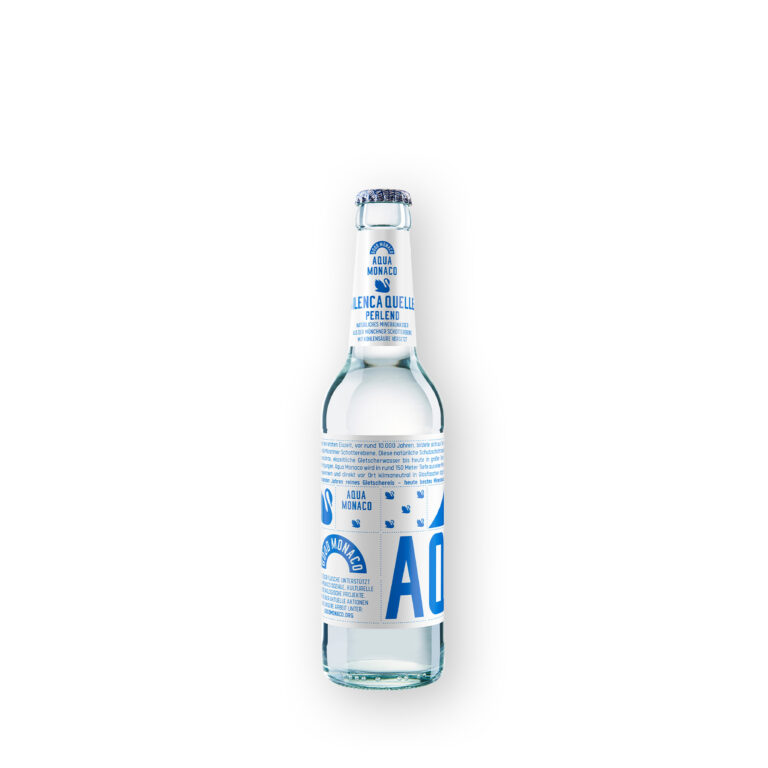
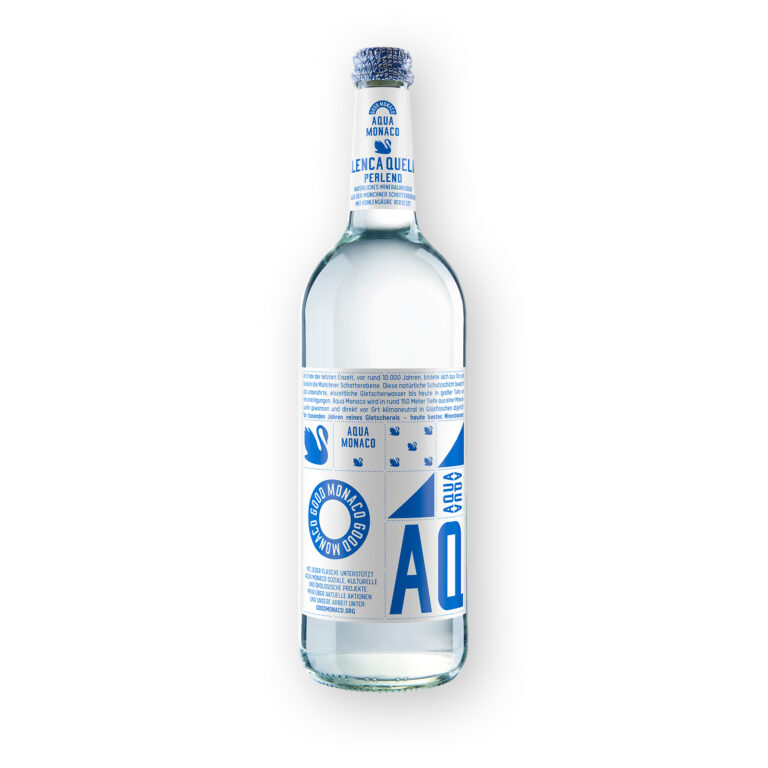
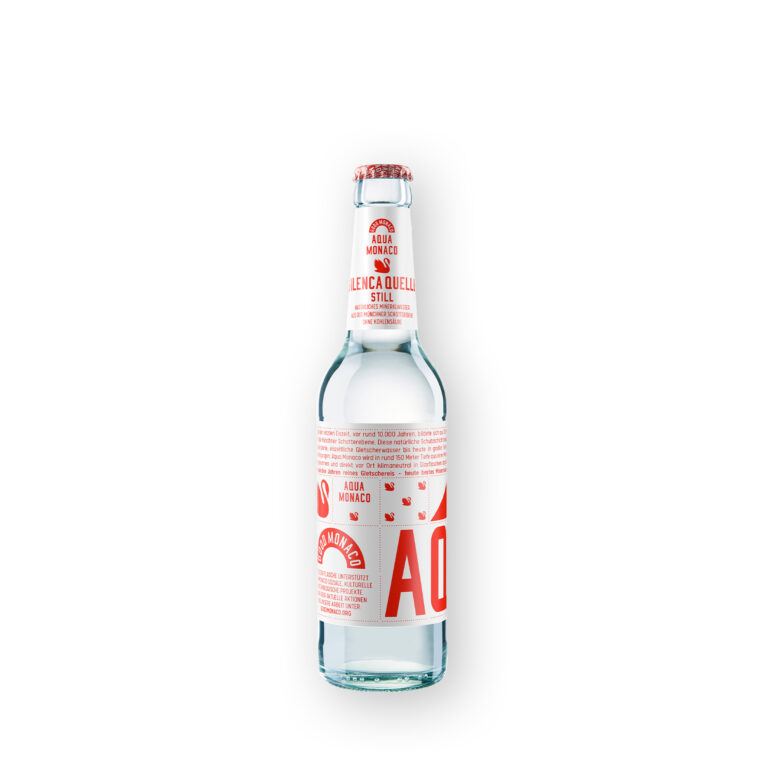
Prof. Dr. Wilfried Hagg is a glaciologist (glacier researcher) and a specialist in hydrology and in the physical geography of alpine mountains. We asked the head of the geological department at Hochschule München some questions about the Munich gravel plain and the Aqua Monaco mineral water below.
How was the Munich gravel plain formed?
The Munich gravel plain was formed by deposits left by the meltwaters of the Isar-Loisach glacier and the Inn-Chiemsee glacier over the course of several ice ages. The top layer was formed during the last ice age known as Würm, which ended 10,000 years ago. These deposits are known as glaciofluvial sediments. As the Alps are fairly close to Munich, and the rock was thus transported for short distances only, most of the material found here is different types of gravel ranging from 2 mm to 6.3 cm in size and featuring mostly rounded shapes formed by the flowing water that they were transported in and that smoothed their edges.
What was life like in these parts during the final days of the different glacial periods?
During the ice ages, the Alpine foothills had a tundra climate. Low temperatures prevented the growth of trees, and, similar to the Arctic regions of modern-day Canada and Russia, the land was characterised by tundra vegetation on permafrost. There was also plant migration from subpolar zones and Central Asia, with the edelweiss flower being the region’s most well-known ice-age immigrant. The era also saw large mammals including the mammoth, the woolly rhinoceros, and the cave bear.
How can we tell that our modern-day landscape was formed during the ice ages?
The ice ages left the landscape with very distinctive features. The piedmont glaciers left large hollows known as tongue basins, which are surrounded by forested ridges, the moraines, and often filled with water, thus forming lakes.
What is the difference between deep water and spring water from the mountains?
Deep water takes considerably more time to form and, for this reason, stays underground for much longer. As a result, deep water tends to be fairly well cleaned from any pollutants and contains less oxygen than spring water, which is sourced closer to the surface.
Some people may wonder what the difference between tap water and Aqua Monaco Mineral Water is. What is the difference in quality?
In general, Munich tap water is sourced from a variety of springs located in the Mangfalltal and Loisachtal valleys and is supplied to Munich households using a pipe and reservoir system. Aqua Monaco Mineral Water, on the contrary, originates from one single spring and is sourced and bottled right there and then. Moreover, mineral water is Germany’s most strictly controlled food product
So how exactly does the water get filtered when flowing through the different layers of rock?
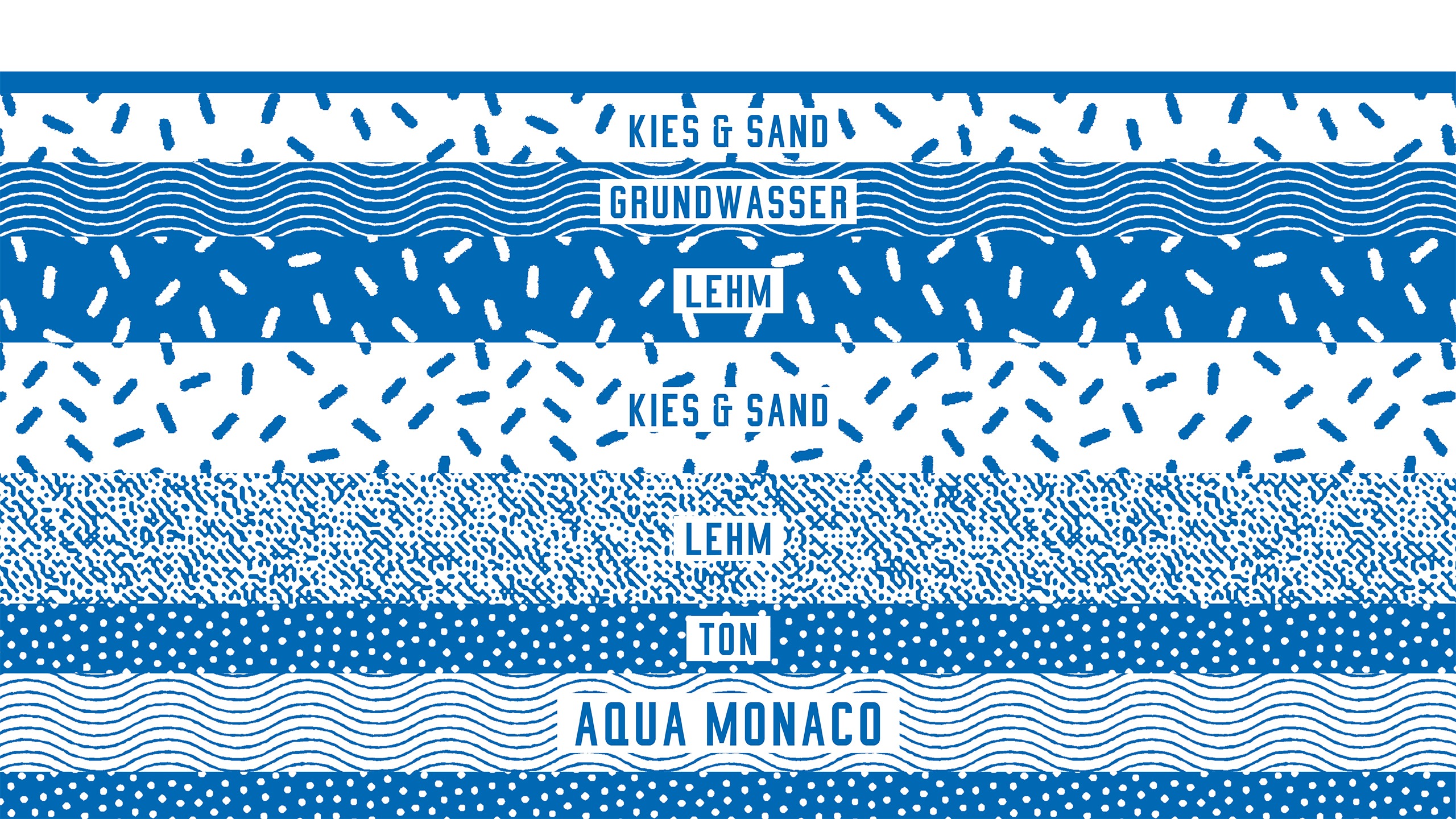
When water trickles down through the fine pores present in loose rock, the layers act like a mechanical filter similar to a sieve, holding back even the tiniest particles including dirt and pollutants. In addition, even dissolved or gaseous pollutants can be bound by the surfaces of certain rock particles in a process known as ion exchange.
Is the water reservoir finite?
The groundwater balance depends on how much water is withdrawn (by humans and plants) and replenished (by new water trickling down). Sustainable management means that you should not remove more water than can be replenished. If you pump up more, the water volume will shrink and the reservoir will dry up in the long run. Aqua Monaco Mineral Water is sourced sustainably. This is tested by running a still water level test every month, where water levels are not allowed to fall while the pump runs at its maximum.






 English
  Deutsch
  Français
  Nederlands